The Global Struggle: Decoding the History of International Women's Day
International Women's Day, observed annually on March 8th, is far more than just a date on the calendar; it's a profound global commemoration, a vibrant testament to the enduring fight for equality, justice, peace, and development. Across continents, women from diverse backgrounds — often separated by national borders, ethnicities, languages, and socio-economic differences — unite to reflect on a tradition stretching back well over a century. For those seeking to understand the deep origins and evolution, delving into the
Historia Del 8 De Marzo reveals a powerful narrative of resilience and collective action by ordinary women who became extraordinary architects of history. This day truly encapsulates the centuries-old struggle for women to participate in society on an equal footing with men, reminding us how far we’ve come and how much further we still have to go.
Ancient Echoes: Precursors to Modern Feminism
While the formal establishment of International Women's Day is a relatively modern phenomenon, the spirit of female resistance and the demand for societal participation have ancient roots. The quest for gender equality is not a new concept, and history is replete with examples of women challenging the status quo, even if their actions weren't initially recognized under the banner of feminism.
Consider the tales from ancient Greece, where the formidable figure of Lysistrata emerged. In Aristophanes' comedy, Lysistrata orchestrates a "sex strike" among Athenian and Spartan women to compel their husbands to end the protracted Peloponnesian War. This radical act, though fictional, perfectly symbolizes the power of collective female agency to demand peace and influence societal outcomes. It's an early, albeit dramatized, illustration of women leveraging their unique position to advocate for change.
Fast forward to the tumultuous era of the French Revolution in the late 18th century. Parisian women, fueled by the ideals of "liberty, equality, and fraternity," did not stand idly by. They actively participated in the revolutionary fervor, marching on Versailles to demand bread and, significantly, to press for political rights, including the right to vote. These courageous acts, though often overlooked in traditional historical accounts, laid crucial groundwork for future feminist movements, demonstrating women's unwavering resolve to shape their own destinies and contribute to the political landscape. These early struggles, from Lysistrata to the suffragettes, form the
Ancient Roots of 8M: From Lysistrata to Women's Suffrage, highlighting a persistent thread of female activism throughout history.
The Industrial Era and the Birth of a Modern Movement
The true genesis of what we recognize as International Women's Day, or the modern
Historia Del 8 De Marzo, lies in the intense socio-economic and political upheavals of the late 19th and early 20th centuries. The rapid industrialization across Europe and North America brought millions of women into the workforce, often under grueling conditions, with abysmal wages and no political voice. It was in this crucible of exploitation and burgeoning socialist ideals that the call for a dedicated women's day gained momentum.
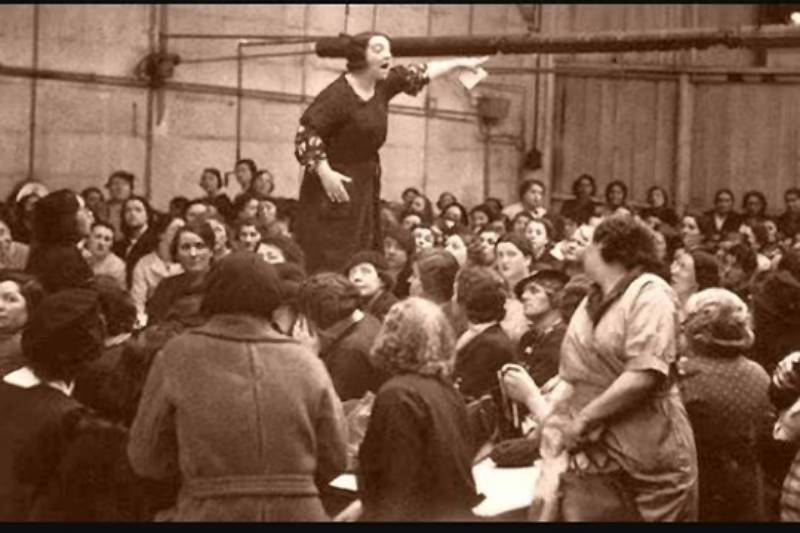
The first significant step towards a formalized women's day came from the socialist movements. On February 28, 1909, the Socialist Party of America organized the first National Woman's Day in the United States, primarily to protest against the terrible working conditions in garment factories and to advocate for women's suffrage. The impact of this demonstration was felt globally.
A pivotal moment arrived in 1910 at the second International Conference of Working Women in Copenhagen. Inspired by their American counterparts, German socialist Clara Zetkin, alongside Alexandra Kollontai and other delegates from 17 countries, proposed the establishment of an International Women's Day. The idea was to have a day to press for women's demands, particularly suffrage and equal rights, on a global scale. The proposal was unanimously approved. The following year, on March 19, 1911, the first International Women's Day was celebrated by over a million people in Austria, Denmark, Germany, and Switzerland, marking a massive show of solidarity for women's rights to work, vote, hold public office, and end discrimination.
A Date Solidified: From Protest to Global Recognition
While the idea of International Women's Day was established in 1910, the specific date of March 8th became globally recognized primarily due to events in Russia. In 1913, Russian women observed their first International Women's Day on the last Sunday in February (which fell on March 8th in the Gregorian calendar). However, it was the dramatic events of 1917 that indelibly linked the date to the day.
On March 8, 1917 (February 23rd in the Julian calendar then used in Russia), women textile workers in Petrograd went on strike, protesting against severe food shortages, the ongoing war, and demanding "Bread and Peace." This spontaneous demonstration quickly escalated, drawing in other workers and eventually sparking the February Revolution, which led to the abdication of Tsar Nicholas II and the end of the Romanov dynasty. Four days after the women's strike began, the Tsar abdicated, and the provisional government granted women the right to vote. This pivotal event solidified March 8th as the chosen date for International Women's Day, particularly within the socialist and communist movements.
The observance of International Women's Day continued to grow throughout the 20th century. However, it wasn't until 1975, during International Women's Year, that the United Nations officially began celebrating International Women's Day on March 8th. Two years later, in 1977, the UN General Assembly adopted a resolution proclaiming a United Nations Day for Women's Rights and International Peace to be observed on any day of the year by member states, in accordance with their historical and national traditions. Most countries, however, chose to observe March 8th, recognizing its historical significance and global momentum. This official recognition by the UN gave the day unparalleled global legitimacy and outreach, transforming it from a socialist holiday into a truly international celebration and call to action.
International Women's Day Today: The Ongoing Fight
Today, International Women's Day is celebrated in myriad ways across the globe. In some countries, it remains a public holiday, marked by gifts and celebrations akin to Mother's Day. In many others, particularly in Western nations, it has evolved into a powerful platform for advocating for gender equality, raising awareness about persistent inequalities, and celebrating the achievements of women. Despite significant progress in areas like education and political representation, the core issues that spurred the day's creation remain relevant.
The world still grapples with a substantial gender pay gap, where women consistently earn less than men for equal work. Violence against women and girls remains a pervasive global issue, impacting millions of lives daily. Women continue to be underrepresented in leadership roles across politics, business, and science. Reproductive rights are still debated and challenged in many parts of the world. Furthermore, the disproportionate impact of climate change, conflicts, and global health crises often falls heaviest on women and girls, exacerbating existing inequalities.
Therefore, March 8th is not merely a day of celebration; it's a critical moment for introspection, advocacy, and renewed commitment to the cause of gender equality. It serves as a reminder that the
Years of Fight: The Enduring Meaning of Women's Day is an ongoing journey that requires continuous effort from everyone.
Practical Tips for Engagement:
- Educate Yourself and Others: Delve deeper into the history and current challenges facing women globally. Share this knowledge.
- Support Women-Owned Businesses: Consciously choose to support enterprises founded or led by women to promote economic empowerment.
- Advocate for Policy Change: Contact your elected representatives to express support for legislation that promotes gender equality, such as equal pay laws, parental leave, and protections against gender-based violence.
- Mentor and Empower: If you're in a position to do so, mentor young women or girls in your community, helping them achieve their full potential.
- Challenge Stereotypes: Actively confront and call out sexist remarks, jokes, or behaviors in your daily life, contributing to a more respectful environment.
- Donate to Women's Causes: Consider contributing to organizations working on women's rights, health, education, or safety.
Conclusion
The
Historia Del 8 De Marzo is a rich tapestry woven with threads of struggle, resilience, and triumph. From the ancient calls for peace and justice to the industrial-era demands for fair labor and suffrage, and ultimately to its global recognition by the United Nations, International Women's Day stands as a powerful symbol of progress. Yet, its enduring relevance underscores that the fight for true gender equality is far from over. As we commemorate this significant day, it is imperative to not only celebrate the achievements of women but also to renew our collective commitment to dismantling remaining barriers, ensuring that every woman and girl worldwide can live with dignity, equality, and opportunity.